
Making small changes to your devices and your daily habits can disrupt your muscle memory in powerful ways, enabling you to become more aware of your blind spots, and more actively choose how you want to do things.
Category Archives: Biases
What is the Social Identity Wheel?

How do you describe yourself? What parts of your identity do you choose to include, and which do you miss out? More than likely, your answer depends on the context – you may answer differently on a dating app than in a job interview, both of which are very different from how you think about yourself internally.
Speaking For or Speaking Over: Allyship in Action

Who do you consider to be allies of yours? What makes them an ally? How is that different from being a friend? Do you consider yourself to be an ally of others? Who, and how? On a local level, the term “ally” has taken on almost-singular meaning in the last decade. On the world stageContinue reading “Speaking For or Speaking Over: Allyship in Action”
Honoring Years of Service while Seeking Fresh Perspectives
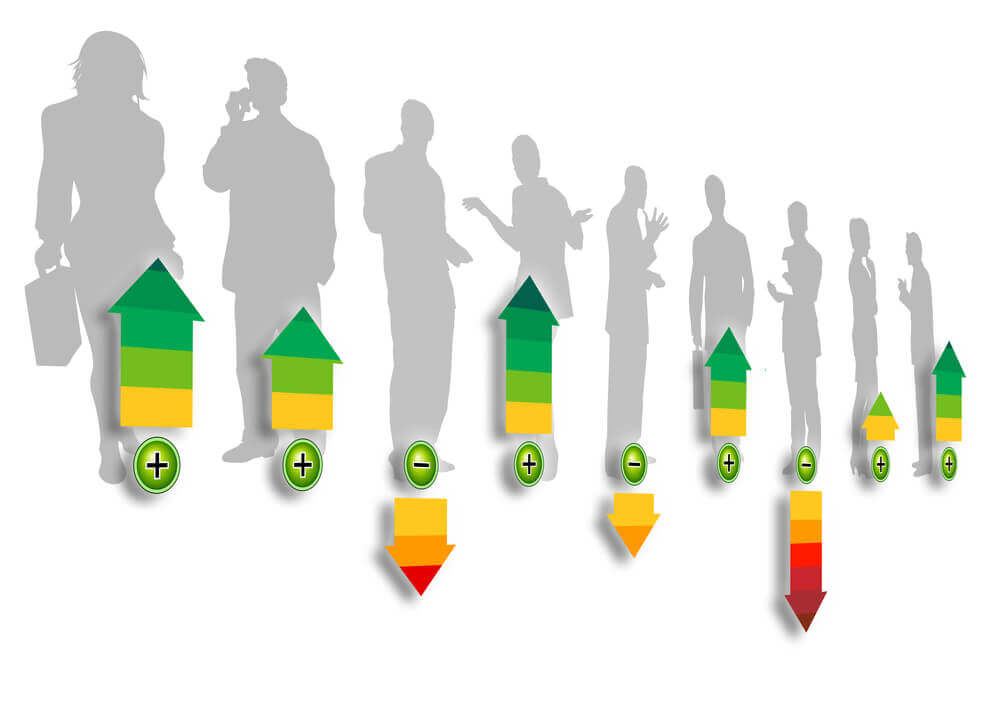
Think back to when you started working for your current employer, even if it was in a different role than you currently hold. How long did it take for you to go from feeling like the newbie to feeling like you belong? How long were you aware of your time in the organization (“I startedContinue reading “Honoring Years of Service while Seeking Fresh Perspectives”
Finding a Thought Partner for New Perspectives

In your line of work, how often do you work in partnership with someone else? Do you have a regular partner, or partnership team? When was the last time you partnered with someone new on a project or initiative? If it’s been a long time, is that by choice? In my work as a facilitator, partnership onContinue reading “Finding a Thought Partner for New Perspectives”
Three Tips to Avoid Othering in a Divisive Environment
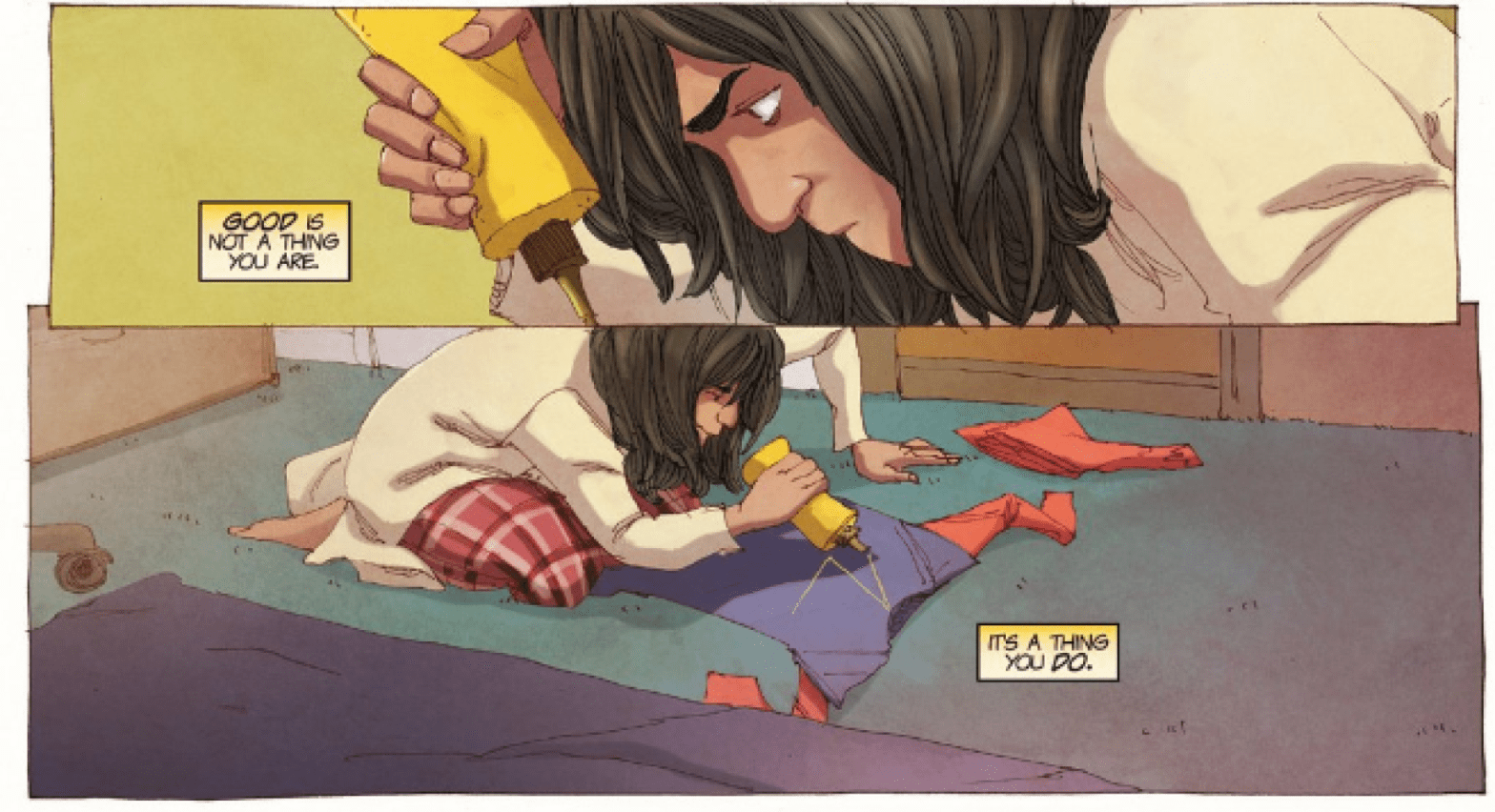
My kids and I have always enjoyed reading super hero comic books. The idea I’ve always bristled against, though – even in the context of fictional or real-life war stories – is the idea of a “bad guy.” In well-developed fictional worlds, knowing a villain’s own story from their perspective can change how you thinkContinue reading “Three Tips to Avoid Othering in a Divisive Environment”
Choosing to Stay Confronted in Conversations About Race
How often are you involved in conversations about racism, marginalization, colonialism, and/or other issues related to race? Perhaps these are conversations about systemic issues, or perhaps they reflect personal lived experiences. Often these topics are not an explicit part of the conversation, they are under the surface – not necessarily unacknowledged, but unnamed nonetheless. ExplicitContinue reading “Choosing to Stay Confronted in Conversations About Race”
The Doll Test, and Fault vs. Responsibility

Portraits by Fabrice Monteiro Did you play with dolls (or action figures) when you were a child? If so, did you get to choose them, or were they given to you? What skin tone did they have? Did they look like you? Perhaps you’re a parent of a young child now – what skin toneContinue reading “The Doll Test, and Fault vs. Responsibility”
Sitting in the Tension of “Both / And”

On the eve of #Barbenheimer, now might be a good time to revisit the idea of moving away from “either / or” and towards “both / and” in this article originally posted in 2021: “Do you think [politician or leader X] is a racist?” How often have you heard versions of this question in interviews, politicalContinue reading “Sitting in the Tension of “Both / And””
Has Your Brain Tricked You into Believing Everything is Worse?

The age-old saying “the grass is always greener on the other side” is a proverb about envy and perspective, but there’s also a logical reason behind the phrase. Stand on a lawn and look down, and you see all the spaces between blades of grass; the brown soil and dirt underneath, which balance out theContinue reading “Has Your Brain Tricked You into Believing Everything is Worse?”

