
Who do you consider to be allies of yours? What makes them an ally? How is that different from being a friend? Do you consider yourself to be an ally of others? Who, and how? On a local level, the term “ally” has taken on almost-singular meaning in the last decade. On the world stageContinue reading “Speaking For or Speaking Over: Allyship in Action”
Category Archives: Marginalization
Three Tips to Avoid Othering in a Divisive Environment

My kids and I have always enjoyed reading super hero comic books. The idea I’ve always bristled against, though – even in the context of fictional or real-life war stories – is the idea of a “bad guy.” In well-developed fictional worlds, knowing a villain’s own story from their perspective can change how you thinkContinue reading “Three Tips to Avoid Othering in a Divisive Environment”
Using Your Team’s Previous Work Cultures to Build a Better One

During a series of team building activities with a client this week, it was noticeable that one newer member of the group shared ideas that were shut down or ignored by the rest of the group – including the director of the department. Rather than point that out in the moment, I let the groupContinue reading “Using Your Team’s Previous Work Cultures to Build a Better One”
“Where Are You From, Where Are Your People From?”

When meeting someone for the first time – knowing that you’ll be working with them for a while – what are your go-to opening lines in conversation? Do you ask where they live, what they do for work, how has their day been so far…? I recently learned from some acquaintances who moved from theContinue reading ““Where Are You From, Where Are Your People From?””
The Doll Test, and Fault vs. Responsibility

Portraits by Fabrice Monteiro Did you play with dolls (or action figures) when you were a child? If so, did you get to choose them, or were they given to you? What skin tone did they have? Did they look like you? Perhaps you’re a parent of a young child now – what skin toneContinue reading “The Doll Test, and Fault vs. Responsibility”
Finding the Door Through Which an Idea Will Pass

Last month, Harry Belafonte died at the age of 96. An EGOT-winning actor and singer of blues, folk, gospel, show tunes, and American standards (and singer on the first ever million-selling album), he was also a humanitarian and political activist throughout his life. He was also a close confidant of Martin Luther King, Jr. duringContinue reading “Finding the Door Through Which an Idea Will Pass”
What is Poison Ivy Privilege?

Poison Ivy Privilege is a framework to consider the aspects of your identity for which you receive privilege rather than marginalization, and how you can use that privilege to enact systemic changes using the analogy of pulling poison ivy. Prologue: I was wrong. Years ago, I wrote an article about poison ivy and privilege, inContinue reading “What is Poison Ivy Privilege?”
What are Unique Diversity and Diverse Unity?

How many aspects of your identity are visible to those around you? How many are invisible, or at least not intuitive? If you’re like a lot of people, your identity is – as we’ve mentioned before – like an iceberg, with the vast majority (90% in the case of icebergs) being under the surface, andContinue reading “What are Unique Diversity and Diverse Unity?”
Why “Quiet Quitting” is More Complicated than it Might Seem

Have you ever felt burnt out by the imbalance between “work” and “life”? Emailing around the clock, arriving early and staying late, helping a colleague out at the expense of your own responsibilities, showing as much dedication to your role as possible – these are extra behaviours that go the extra mile and can resultContinue reading “Why “Quiet Quitting” is More Complicated than it Might Seem”
Dr. King, and Sitting in Difficult Truths
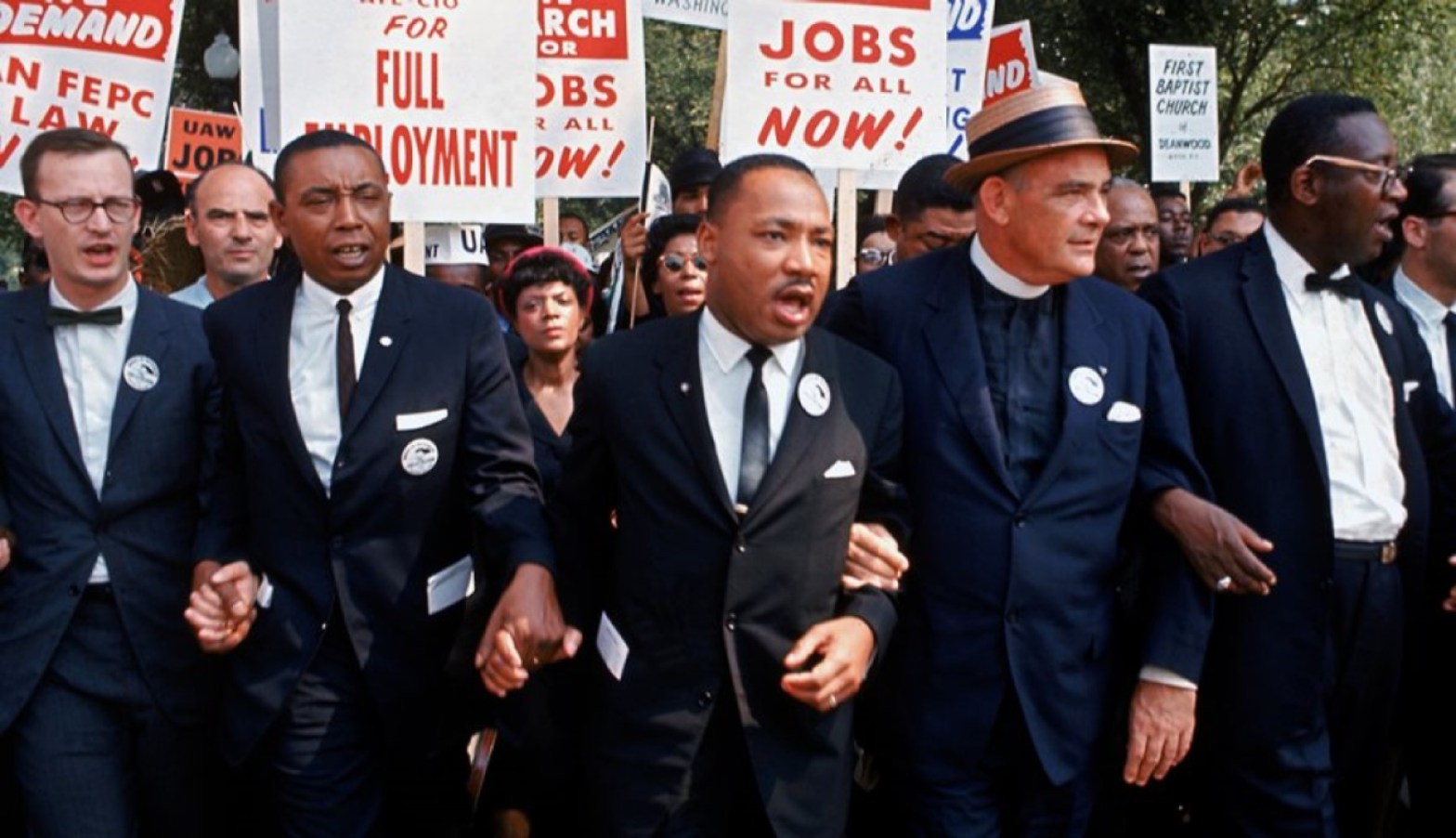
Dr. Martin Luther King Jr. Day is a chance each year to reflect and take action on the work that still needs to be done for racial equality. While Dr. King is rightfully held up as a legendary and inspirational figure, this often results in him being seen as a more-than-human icon, memorialized in carefullyContinue reading “Dr. King, and Sitting in Difficult Truths”
 Building Bridges Leadership