Photo credit: Jamie Squire / Getty Images
Are you the kind of person who watches the Olympics religiously, even if you would never think of watching skiing, curling, or speed skating at any other point in the intervening years? Even if you aren’t, you may have seen some highlights from the recent Milano Cortina 2026 Winter Olympics, including some star turns by both first-time and seasoned athletes. I wonder how what we saw might connect with our workplaces.
Every Olympic Games brings with it some overwhelming hype on certain athletes, accompanied by a number of superlative statements before the fact – especially in the more creative events, like figure skating or (in the Summer games) gymnastics floor routines: Hyperbole like “Get ready for the best routine you’ve ever seen!”; “No one else is in the same league as [Simone Biles / Ilia Malinin]”, and so on. Sometimes it feels like this is tempting fate, or that that athlete’s actual success in the event doesn’t matter – the TV drama is as engaging if they fail as if they succeed, as we saw with Ilia Malinin. Of course, in the work world, we don’t want the drama; we don’t want our rising stars to fail. How do we support their success without pushing them too hard?
After all, the pressure put on athletes to succeed at all costs in the Olympics is intense: remember Kerri Strug vaulting on an injured ankle at the 1996 games, clinching the team gold but receiving a third-degree lateral sprain and tendon damage as a result? Or Lindsey Vonn’s downhill crash this year, which was close to resulting in amputation? Simone Biles – no stranger to the pressure and hype – learned from the experiences of people like Strug, withdrawing herself from 2021’s Tokyo Olympics after immense stress early in the competition. While some criticized her at the time as “selfish,” and many thought that would be the end of her career, she recovered and came back in full force. Her 11 Olympic medals and 30 World Championship medals make her the most decorated gymnast in history, and she looks back on her decision to pull out as her “biggest win.” (Following Ilia Malinin’s 8th place finish in Milan, Biles texted him immediately, followed by an in-person meeting a couple of days later, about which she said her goal was “just for someone to validate his feelings” – notice that her goal was not to talk him out of despair, or console him.) How do we support the mental health of our star performers in the workplace to empower their long-term big-picture success, even if that comes at the expense of short-term wins?
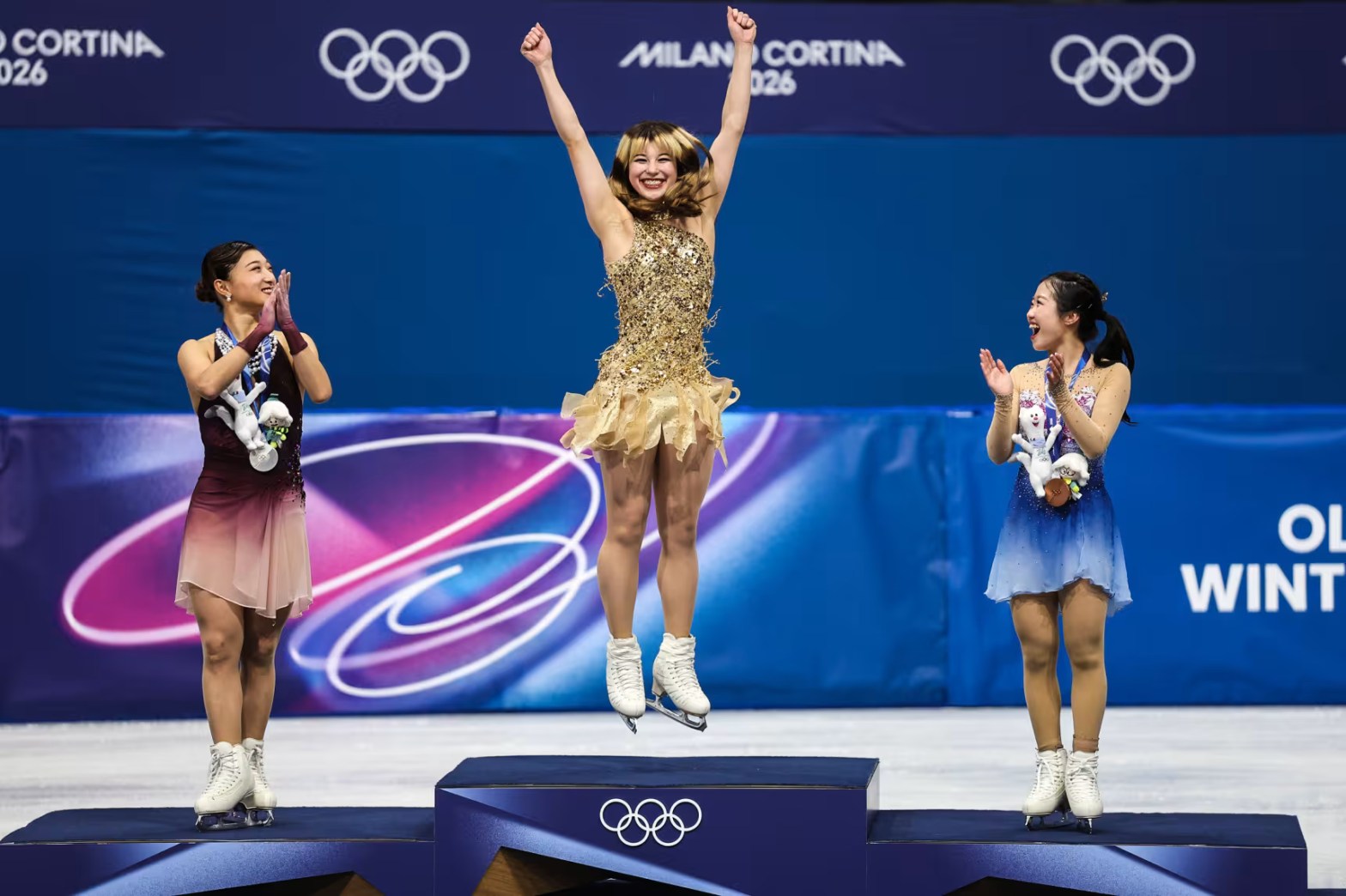
And then, of course, there are athletes like Alysa Liu, who defy all pressure and manage to succeed by simply being in the moment with unfiltered joy. Her story is unusual – retiring from the sport at the age of 16, only to realize how much she loved figure skating and find new levels of success as a result. How do we support our rising stars to find this level of joy and self-expression without them leaving in the process?
In all the cases above, the star performers’ success has sometimes overshadowed the accomplishments of their teammates – through no fault of their own. But in many cases, being around the best can help the whole team become better. Michael Jordan famously came of retirement in 1995 at the request of Chicago Bulls head coach Phil Jackson – not to be the star of the team, as he had been before, but to raise the level of the entire team. The 1995–96 Bulls posted one of the best single-season improvements in league history, moving from 47–35 to 72–10, becoming the first NBA team to win 70 or more games. The team went on to win the 1996, 1997, and 1998 NBA Finals. How do we manage our stars in a way that doesn’t overshadow others, and instead embodies the idea of ‘a rising tide lifts all ships’?
In other words, how do we nurture our star performers’ growth in a way that encourages the growth of all our performers?
This Week’s Tips:
- Listen to learn from your star performers – both seasoned and rising stars. They may be more successful than you would be yourself in their position. Listen to learn from them: what specifically are they doing that you would want others to implement (perhaps even yourself)? Rising stars may also see things that you’ve never thought of, or never thought possible: Ilia Malinin’s backflip was seen as impossible for decades. What are your star performers wondering about, and what might be possible beyond how your team has been operating thus far?
- Recognize and celebrate their accomplishments… and those of others! It’s easy to see the accomplishments of your star performers, and it can be hard to find the balance – how much to celebrate them without overshadowing others on the team. Make a habit of noticing and calling out each team member’s successes – someone’s $5,000 sale could be the start of an important ongoing relationship, even if the star performer just made a $50,000 sale.
- Foster collaboration and the mindset of being a “student” not an “expert.” Partner up members of your team. With a “student” mindset, even the most accomplished and successful person will learn something from someone newer to the field, and vice versa. Incorporating this on an ongoing basis can support ongoing growth and development for all.
- Allow greater autonomy… with guidance. Rising stars often think outside the box, which can bring innovation to otherwise stale fields. Allow them to spread their wings, but with regular check-ins to see how they are doing, what they’re learning, and what barriers they are encountering. The intention of this should be to help grow the whole team, so take those learnings and use them to help other members of the team to spread their wings too. Perhaps the star performer has discovered a new process to work through something; that process might be adoptable by others, but equally this may show that others can come up with their own processes, in which case you are empowering the team to be creative and own their growth.
- Provide opportunities for growth, and act as a coach as well as a manager. Continuing to explore new ways for your star performer to grow will keep them from feeling stifled and finding a new place to work; it also signals to others on your team that you care about each person’s growth and development. You’re not interested in keeping a stagnant team – that can only last so long. Encouraging and empowering your team members’ growth will only make your team more appealing to work on.
For more on managing rising stars, read our piece “When to Sub in Your Rising Stars” from 2023. If you have other thoughts on how to nurture star performers’ growth in a way that encourages the growth of all team members, let me know – I’d love to hear from you! In the meantime, try these out this week.
As always, you can subscribe to our feed here, or sign up for our weekly newsletter to get these articles directly in your inbox.
 Building Bridges Leadership