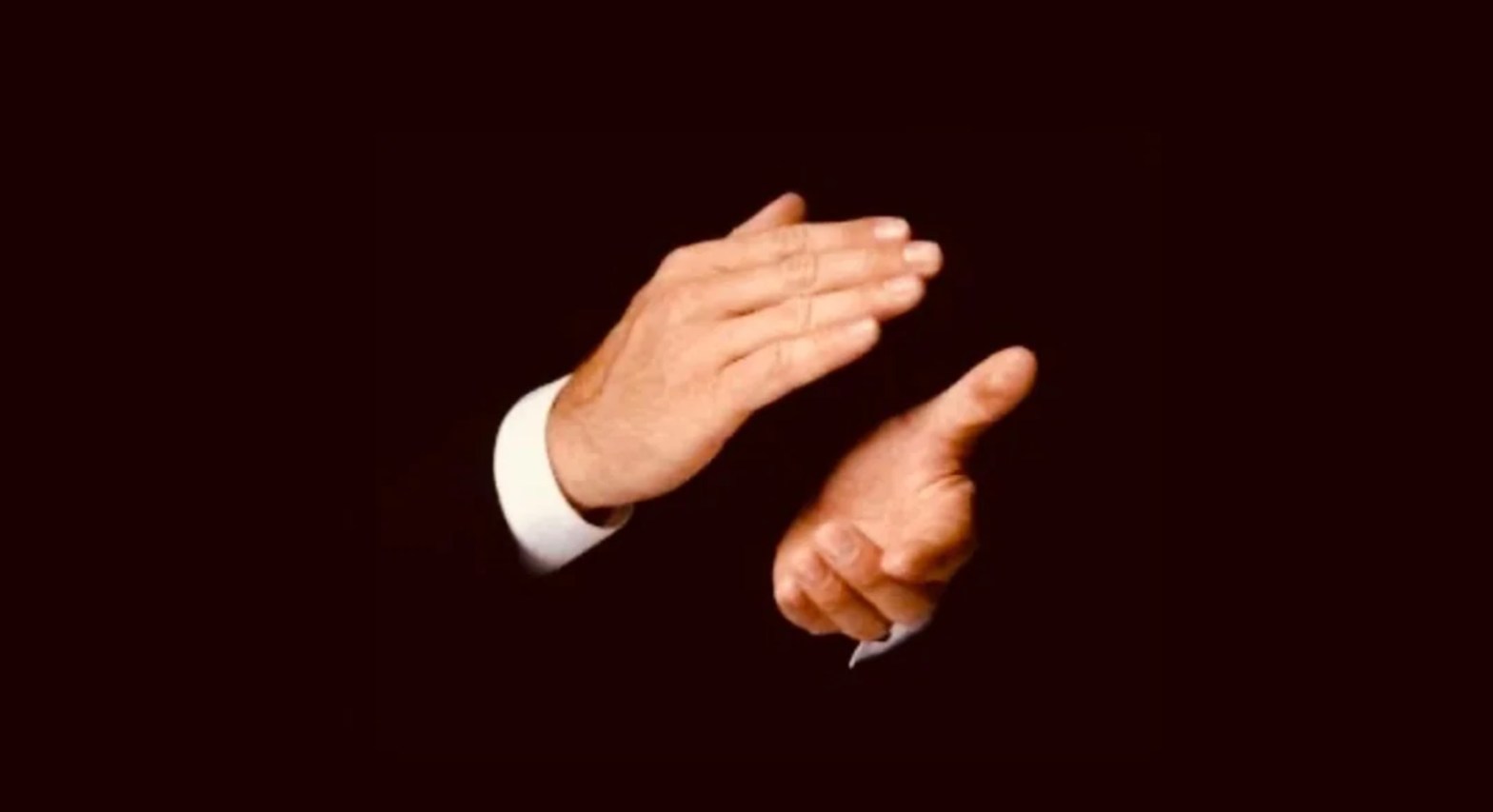
When I was 9, my mom took me to the movie theater to see Star Trek IV: The Voyage Home. In true mid-80s fashion, the plot revolved around two things: time travel, and saving the whales. At the end, as the credits rolled, I experienced my first pre-teen moment of being mortified by my parent when my mom stood up… and started clapping.
I was reminded of this recently when taking two of my own kids to see Avengers: Endgame in the movie theater. We’d all seen it before, but they were too young to see in theaters when it first came out, and they were excited to see it on the big screen. At the end, when the credits rolled, a kid sitting in the row in front stood up… and started clapping. Not only that, but he encouraged everyone around him, including us, to start clapping too.
I think that kid, and my mom, were onto something. And I think it’s worth remembering in the workplace.
After all, what’s the purpose of clapping? Is it for the people whose work we have just experienced? Or is it for us? When we’re at a concert or event with thousand of people, do we think that our personal clapping is being heard by the artist up on stage? Is it because we want to be part of something much bigger than ourselves? Is it because it does something for us?
In any given situation it might be a combination (although my 9-year-old self was quick to point out that the people who made the movie couldn’t hear my mom’s clapping), but whether we think about it or not, clapping certainly has benefits for the person who’s doing it. A 2011 study by Min ji Kim et al in the journal NeuroRehabilitation found that clapping triggered significant cortical activation compared with other motor tasks.
In other words, clapping stimulates the brain. It increases blood circulation, and triggers the release of endorphins, the body’s natural mood-boosters and pain relievers. This process helps reduce stress, anxiety, and tension.
It also activates the brain’s pleasure and reward pathways, which can involve the release of dopamine. Even if we weren’t the ones working on a task ourselves, the dopamine release gives us a sense of satisfaction, and work well done.
Clapping also acts as a sort of mental circuit breaker – it can snap us out of cycles of negative thinking and bring us back to the present moment. This was particularly helpful during the early stages of the Covid-19 pandemic, when civilians (beginning in Italy, Spain, and France) would stand on balconies each night and clap for exhausted healthcare staff, first responders, and service workers. As much as it was a celebration for them, it also did so much for the people clapping. Rewatching clips from March 2020 while writing this, I also found it quite moving; what a time that was.
We might not find natural ways to bring clapping into our daily work practices, but perhaps you can find more ways than you think. I find that in the ten seconds or so after a coaching call ends, I quietly clap my hands as a way to close out one thing with celebration before I move on to the next thing. But there are also other ways to mark the end of something which bring similar benefits – and might even create openings for clapping to take place.
This Week’s Tip:
Find some ways – either in group settings or by yourself – to clap your hands more; 8-10 times each workday would be a great target. When a meeting ends, when you get in the car to go home, or when you finish a piece of work – maybe even when you send an email, or get off a phone call – take 5-10 seconds to gently clap your hands. It doesn’t need to be big and loud and noticeable to anyone else. But you might also find ways to invite others to clap at the end of a meeting, or as a piece of work wraps up (the virtual clapping emoji on Zoom is better than nothing, but doesn’t give the physical benefits of clapping your actual hands).
Incidentally, I’ve written before about “creating a closing ceremony at work“; if you haven’t read that piece, take a look and see what it offers you. As I wrote there, a company I worked for more than 25 years ago used a maxim that I still carry with me today: “If it’s worth doing, it’s worth celebrating!” Celebrating is a ritual that also helps our brains to bring a close to something we’ve been thinking about for a long time; to close that file and put it in a folder (or to put it in more modern terms, it closes the app to free up some RAM for our brain to think about other things).
How do you celebrate small accomplishments at work, either individually or as a team. Let me know – I’d love to hear from you.
As always, you can subscribe to our feed here, or sign up for our weekly newsletter to get these articles directly in your inbox.

