Over the last year I’ve wondered many times if the the first two words of my business’ name, Building Bridges Leadership, have become outdated and quaint. Or well-intentioned but naive, like “I don’t see color.”
If you’ve read Building Bridges Leadership posts for any length of time, you know we talk about leadership and teams more than politics, but we can’t escape the fact that the wider landscape outside our windows interacts with how we work together as people. And Building Bridges by trying to understand different perspectives clearly may not be an effective immediate response when people are being taken from their homes and detained or deported; let alone when people are being shot and killed with no repercussions by those who have been granted some authority.
The idea of Building Bridges can be misinterpreted as compromise – stepping away from what you believe and towards what someone else believes, and hoping they do the same, to find middle ground. Understandably, a lot of people aren’t feeling the desire to compromise right now. So as tensions rise and responses become more urgent, it’s hard not to feel that the idea of Building Bridges has become passé, and direct action is more important.
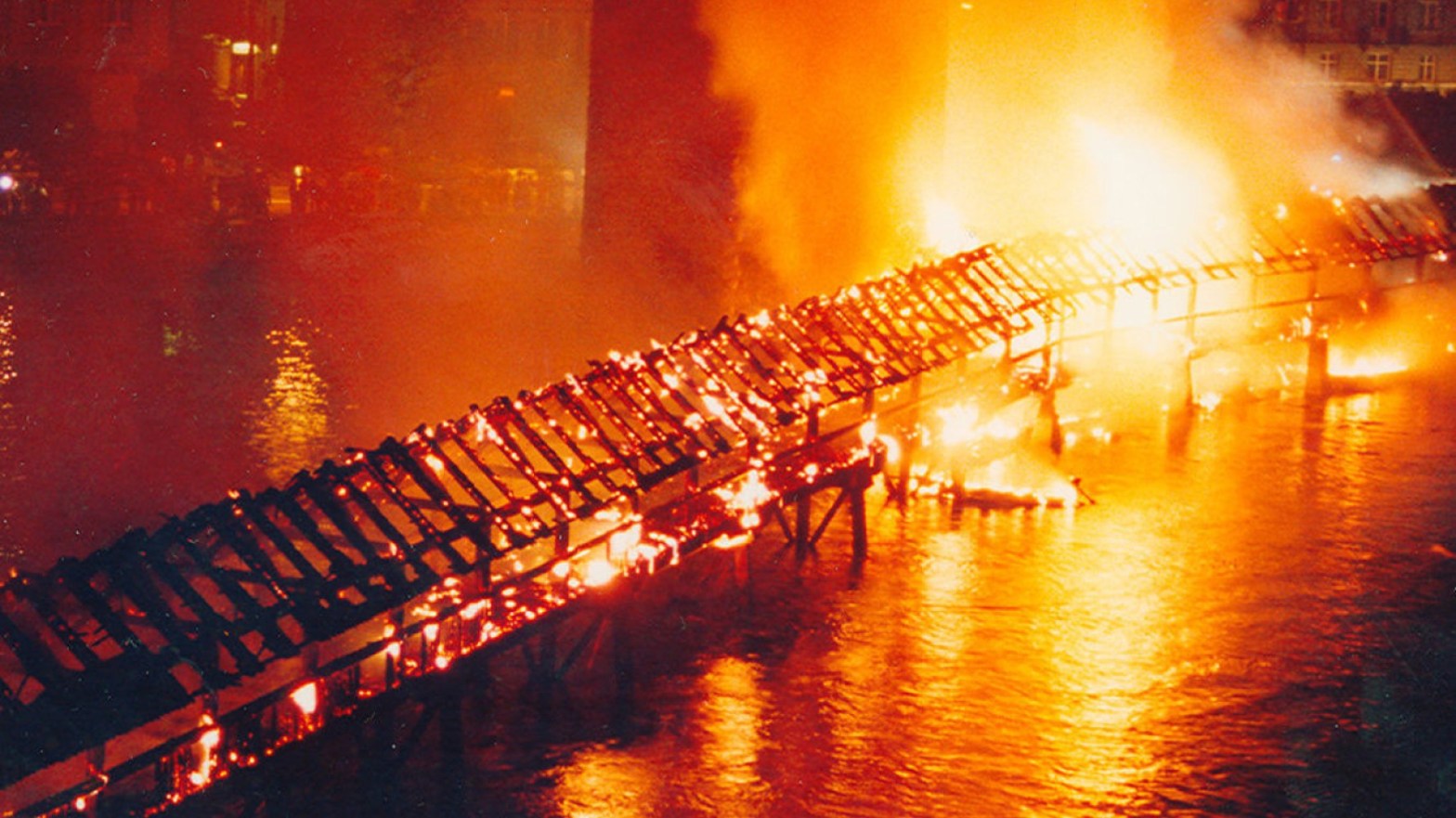
On a parallel track, Burning Bridges seems to have become the chosen course of action for some in powerful positions. Long-held Why do the difficult, nuanced work of building coalitions, working on coopertition, and rising tides for all (in a metaphorical rather than an environmental sense), when it’s easier to use your power and leverage to steamroll others into getting what you want?
Perhaps you’ve even been in a work environment where Burning Bridges seemed to be the method employed by leaders. If so, you’ll know that it can produce fast results, but wow, is it painful to be around, and it can all fall apart very quickly with significant long-term loss for almost everyone involved (although often not for the leader who initiated Burning Bridges, who takes the fast results and leverages them into a great new position somewhere else before the collapse).
With the world around us, it’s easy to feel disheartened – and I do, regularly – but I do still believe in the value of Building Bridges Leadership as a methodology in addition to, and even as part of, our more immediate direct action. In particular, there are three specific ways Building Bridges can enhance our direct action, and perhaps each has an application for how we think about our work also.
This Week’s Tips:
- Build Bridges with potential allies. Some examples: Communities sharing information widely and communicating to band together to protect those in their community from threat; European and NATO nations uniting to keep Denmark’s sovereignty of Greenland; birds banding together to warn of a predator in their midst. In the workplace this might seem much more benign: it could involve sharing concerns (or even more positive ideas!) you have that you’d like others’ help in addressing – share widely and see who might be interested in joining you as (direct or indirect) partners.
- Build Bridges with research. An example: A college graduate saddled with loans might think loan forgiveness was what the government should be doing, but others who couldn’t afford to take on loans to go to college in the first place might feel that loan forgiveness is a slap in the face. Intentionally hearing other experiences that differ from your own – even within your ally group – might help widen your understanding while also uncovering some of our shared humanity.
- Build Bridges with yourself. As noted above, Building Bridges is often seen as compromise – stepping away from what you believe. The ugly truth is that by trying to see others’ perspectives, it sometimes reveals some pretty uncomfortable things about our own beliefs. They aren’t always what we think they are. We’re often more comfortable than we say we are when bad things are happening ‘over there,’ and we have much more of a ‘Not in My Back Yard’ mentality than we like to believe about ourselves. Take some time to unpack your complicated feelings about the people you see as opposite or as enemies; perhaps you’re more alike than you realize. Again, this uncovers some shared humanity, but it might also give you an opportunity to consider taking different actions yourself to match the beliefs you like to think you hold.
Try these out this week, and let us know how it goes! We’d love to hear from you.
You can subscribe to our feed here, or sign up for our weekly newsletter to get these articles directly in your inbox.
 Building Bridges Leadership