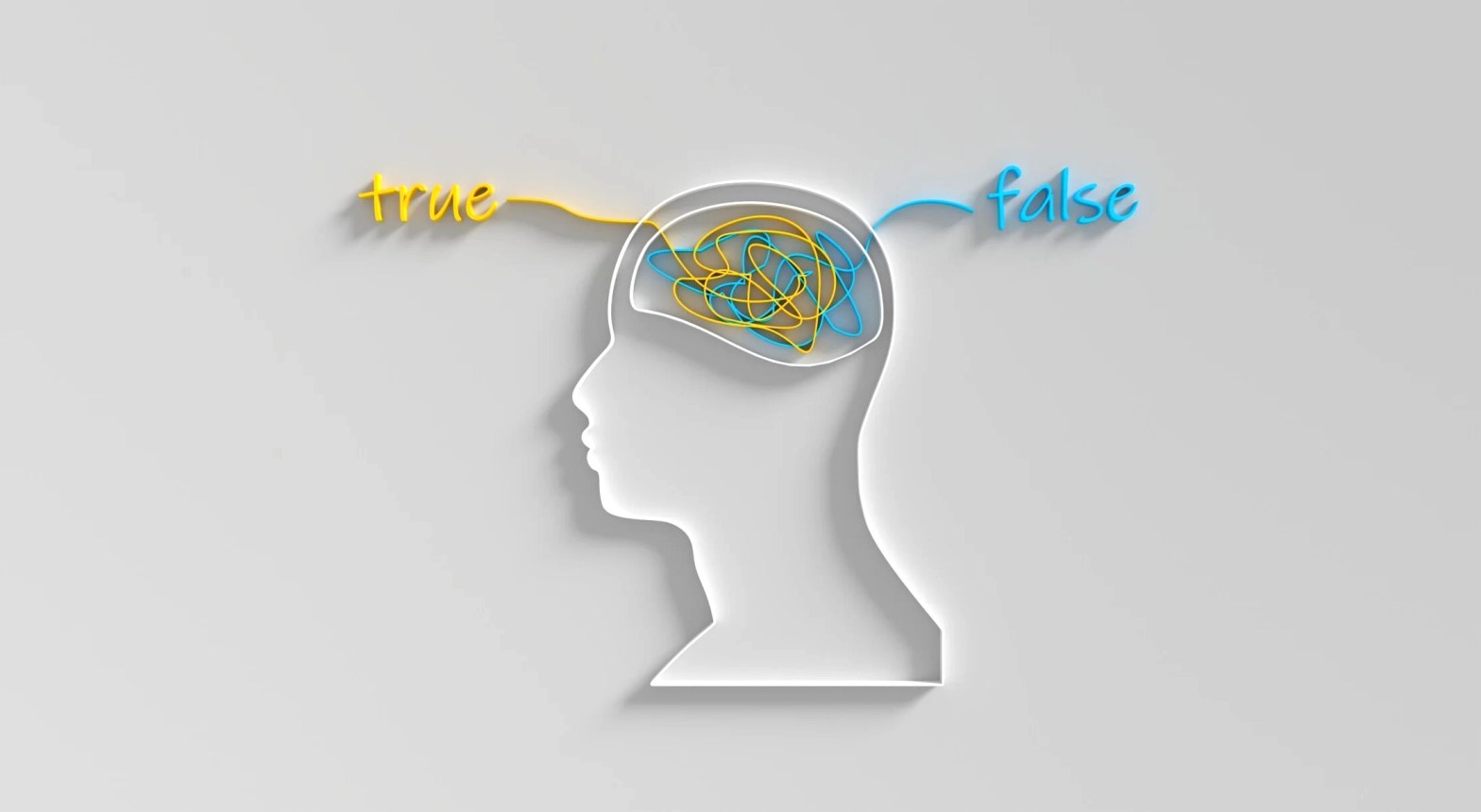
Your memory is unreliable. Shocker, I know. Life is full, and increasingly full of sensory overwhelm, so it’s not surprising at all that we sometimes forget things – details, things we needed to do, or something somebody told us. Our brains can’t retain every piece of information, and we need to constantly filter out pieces that we won’t need to remember in future. But beyond that, we sometimes “misremember” – we remember something happening one way, but some of the details don’t match up with what actually happened.
Misremembering can happen because we added an interpretation to the facts at the time they took place; the interpretation is then what we added to our memory as fact. Rather than “Victor arrived to the meeting late and spoke while Manisha was presenting,” we might remember it as “Victor was incredibly disrespectful during that meeting.” (We’ve posted before about how Chris Argyris’ Ladder of Inference model can help us notice the ways we move from facts to interpretation and changes in beliefs and actions.)
But misremembering can also happen because of how memories are stored in our brains. As psychological scientist and author of The Memory Illusion Dr. Julia Shaw explains, people think of their memories as being stored in their brain like files on a computer – you simply find the right file to click on and open, and there’s the memory. But, she continues, memories actually live as networks stored across the brain, with different elements distributed across lots of different places – so when you’re accessing a memory, your brain is actually re-creating that memory by placing those elements together. If a particular element – like a person or a place – is present in other memories, it’s quite common for confusion to arise as the other pieces it connects to get pulled along into the memory you’re trying to access. Dr. Shaw explored this with studies on false memory and criminal psychology – after all, eyewitness testimony is a huge part of criminal trials, and yet it may not be as reliable as we like to believe. We might even remember our time of Covid lockdowns differently than they actually were!
How does this relate to work? Well, whether you’re a manager, a leader, or whatever your role, you take part in consequential conversations on a regular basis – sometimes at your own instigation, and sometimes not. Later, as we look back on those meetings, we make decisions based on what happened. The same is true of both formal and informal interactions that we have with a colleague or someone above or below us in the organizational hierarchy – we act differently around them based on our memory of our interactions with them. But what if our memories of what happened are unreliable?
What are some ways we could work towards having a more reliable memory, and build connections with others at the same time?
This Week’s Tips:
- Immediately after a conversation of consequence (or even during, if there’s space to do so), jot down brief bullet points of what took place. This might serve a few purposes: 1) It gives you a chance to confirm your own understanding; 2) The act of physically writing it can help cement it, and 3) If there are takeaways from the conversation for either side, asking them to look at the notes also will give them a chance to confirm and/or add nuance to your understanding of the conversation. Doing so can help build connection while also building stronger and more reliable long-term memories for you.
- Climb down from the Ladder of Inference. In any situation where you’re predisposed to treat a colleague a particular way, question why. Step down from your interpretations, and back to the pool of observable data: what happened, and what did you make it mean? Is there any data that might suggest another possible interpretation? If so, investigate that a little. If it’s helpful, talk to other people involved; avoid gossip, and instead let them know you’re checking your own assumptions and would like to hear their perspective. You might come away surprised by how differently you’re thinking.
Try these out this week, and let us know how it goes! We’d love to hear from you.
You can subscribe to our feed here, or sign up for our weekly newsletter to get these articles directly in your inbox.
 Building Bridges Leadership