How many meetings have you had recently that touched on your organization’s use of AI? Does it come up once a day? More? For me, AI comes up in almost every work meeting – sometimes in small ways, but often as a more key area of focus.
On perhaps a related note, I wonder if you’ve had some moments of existential dread about AI recently? Concerns not just about the future of work for our generation and our kids’ generation, but also the bigger concerns about whether AI could literally bring about the end of humanity. AI might not look like (at least the human form of) Ultron or Arnold Schwarzenegger, and until recently I brushed them off – I was skeptical about AI more for the large scale theft of people’s creative works without credit and the increasing environmental impact – but I am now starting to wonder what humanity will look like even ten years from now.
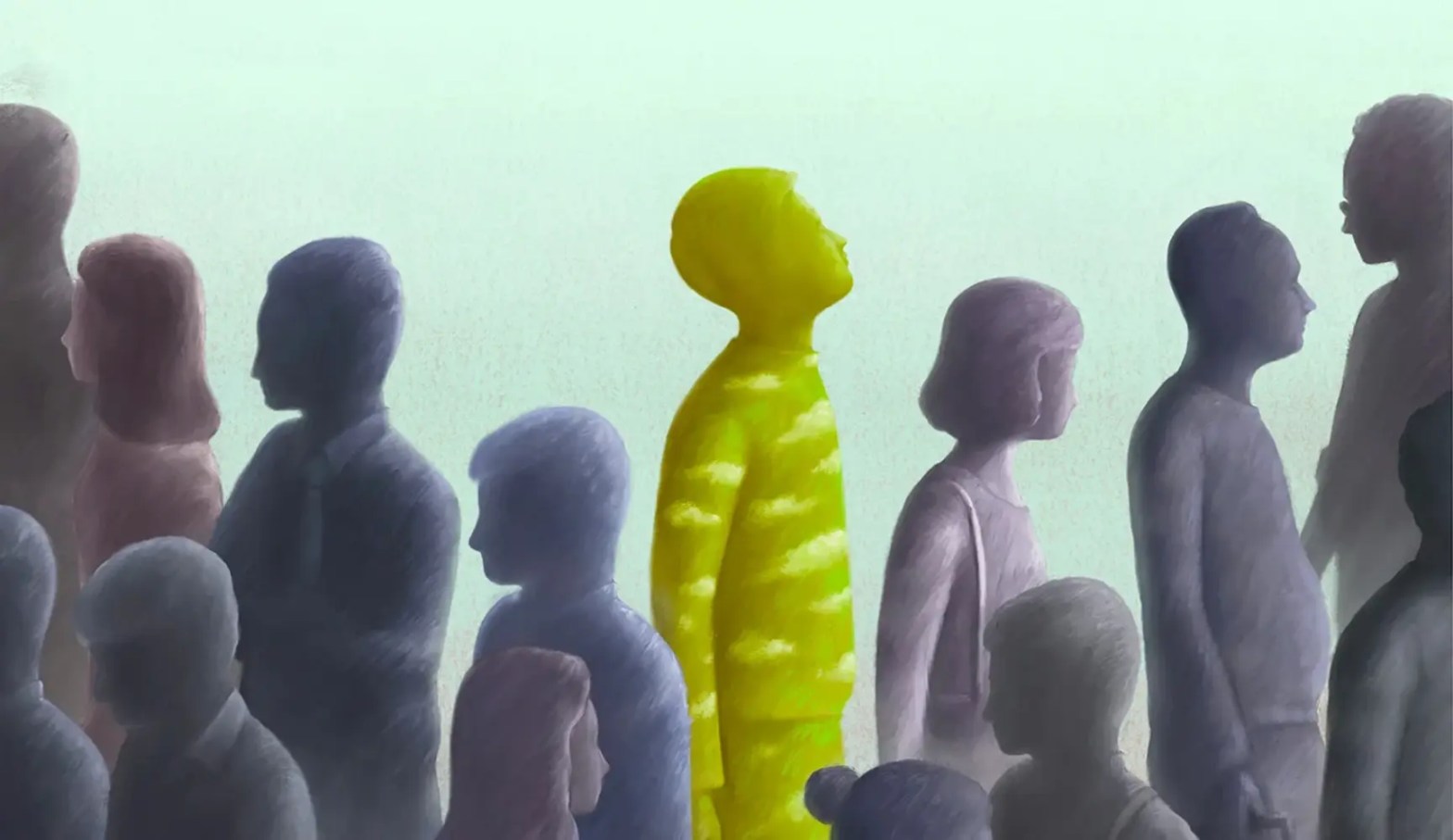
All of which leads me to wonder how we interact with the many humans we encounter each day – both through our work and in the rest of our lives. Depending on where in the world you live and work, studies suggest you might see anywhere from a few hundred to upwards of 10,000 human beings every day. And while we are generally pretty conscious of the people we interact with on a regular basis, it seems that on an average day, around 98% of the people we pass by each day fall into the “never again” category – people we will never encounter again, because of the randomness of life. Studies are hard to do on this, so there’s some disagreement, but even if we lowered that to 90% and conservatively said you encounter 200 people over the course of a day (with or without any interaction or conversation), that’s 180 people you encounter each day for the only time in your life – or their’s.
Our brains categorize people differently if we encounter them regularly; especially those we take time to talk with. When we spend time with someone, we build connections (both interpersonal and neural). We start to understand their wants and their needs, creating respect and empathy. Famously, when Nelson Mandela was imprisoned from 1964 to 1990, his guards had to be moved to different posts on a routine basis because they got to know Mandela, and came to like him and empathize with him. When we don’t spend time with someone, as in the case of these 180 people each day, we miss out on those connections, their life experiences and stories, and the way they might impact us. On a more extreme level, we can easily dismiss them as unimportant, or as NPCs in our lives. So what can we do with this information?
It would be unreasonable to suggest we could interact deeply with all those people every day – many of them are sitting in other cars we drive by, or strangers we vaguely see from across a crowd – and sometimes we have our own internal world going on that leads to unintentional moments of rudeness. But if we recognize that our brief “ships passing” moment might be the only time we ever interact with that other human being, I wonder how that might change our interactions with them?
This Week’s Tip:
Consciously step into opportunities to be kind to people you may never encounter again. Hold the door open for someone. Let someone turn in front of you at a traffic light. Make eye contact and say hi when passing someone on an otherwise empty path. Tip generously. Give genuine compliments without looking for conversation. Notice if someone looks lost and ask how you can help. Have grace for others – don’t take something a stranger does or says personally. Know that you don’t know a stranger’s story – just as they don’t know yours. And have grace for yourself in all the ways you don’t match up to what you think you should be doing.
These are simple ideas, and you might have dozens of others; I would love to hear them and add them to the list. Some of these might feel like things you do every day – great! They might feel basic and straightforward. They’re also human.
You can subscribe to our feed here, or sign up for our weekly newsletter to get these articles directly in your inbox.


One thought on “Showing More Humanity in the Era of AI”