What beliefs do you hold about the co-workers you’ve never met? How might that impact your work together? What would change if you met in person? Read more below.
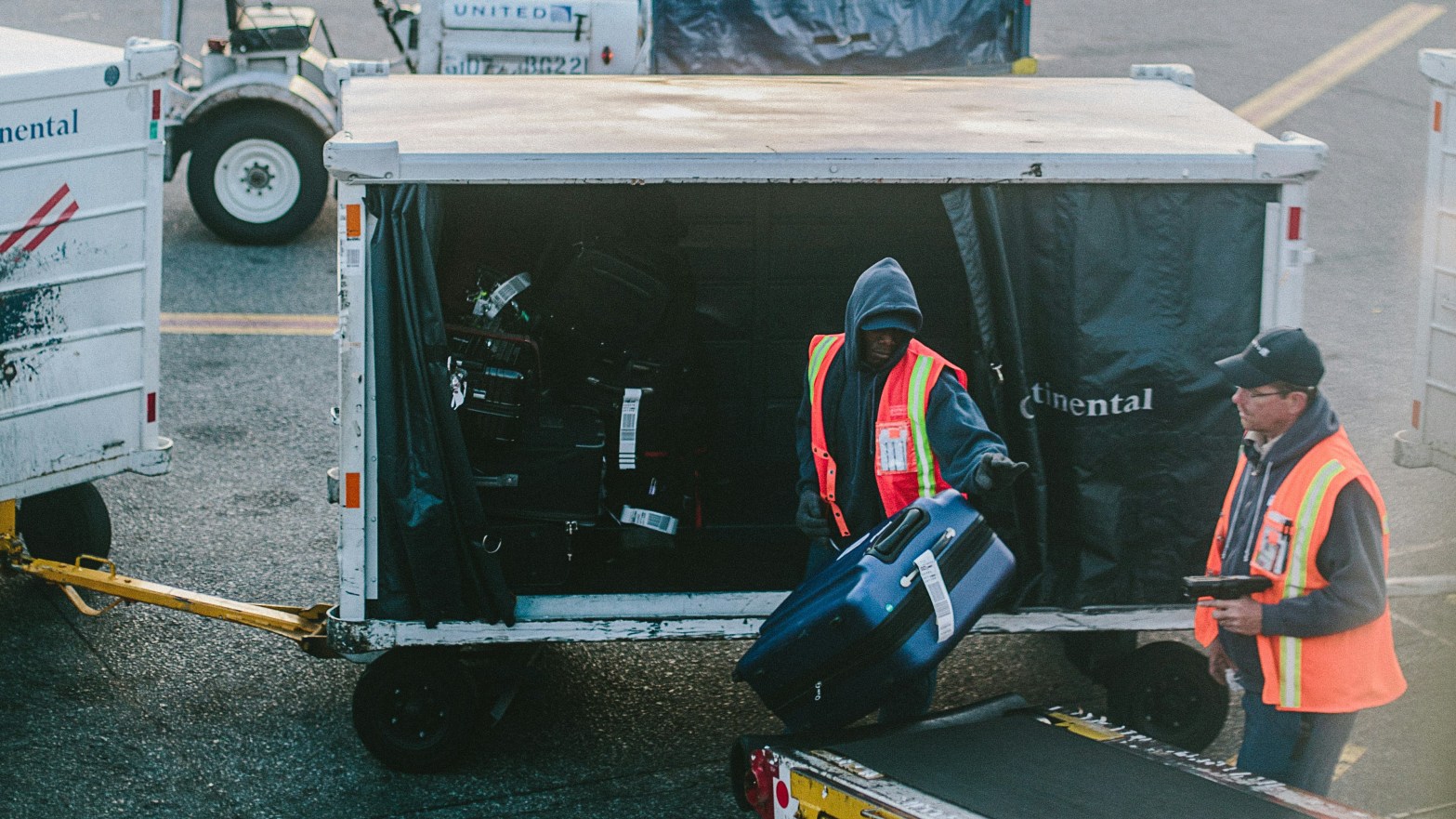
While waiting to deplane after a recent flight, I heard the baggage handlers talking to each other as they opened the baggage hold. “Oh yeah, this flight’s from Boston,” one handler said, “They always pack it this way in Boston.”
The comment got me thinking about the worldwide network of baggage handlers, who work together while never directly interacting with each other. It reminded me of colleagues, vendors, or clients whose work intersects with mine in some way, but who I have never met. And what beliefs I held about those people – What could I expect from them? What could I count on? What did I believe they would do, or not do?
Similarly, a engineering director who works primarily from home shared with me recently that she had a full week of strategic planning meetings in the office, with hundreds of colleagues from around the world. This initially seemed to be a draining and daunting prospect, but when I asked if this meant she would be meeting anyone with whom she has worked for the first time, she lit up. “Yes!” she replied, and went on to talk about members of her team that she’s managed but never met, as well as colleagues she’s interacted with a lot from India, Ireland, and across North America, but never seen in person. The joy in her voice as she shared about the people she was looking forward to seeing in person for the first time was a major contrast to how she initially talked about the meetings.
It’s not always this way, of course. The orchestral composer Clare Fischer regularly arranged orchestration for pop and R&B artists like Rufus & Chaka Khan and Paul McCartney. His most frequent collaborator, though, was someone he never met: Prince. From 1984 until Fischer’s death in 2012, they worked on dozens of songs together, with Fischer providing lush strings and backgrounds on many of Prince’s most provocative songs – Nothing Compares 2 U, Mountains, Damn U, Pink Cashmere, Crystal Ball, Old Friends 4 Sale, Rainbow Children, Te Amo Corazón, and so many more. After working so well together from a distance on their first few songs, they decided it might change things too much if they met. “I don’t want to meet him,” Prince said, “It’s going just fine as it is.” So they didn’t. The closest they came was a few minutes before Prince and Beyoncé’s opening performance at the 2004 Grammy Awards, which used a new Clare Fischer arrangement for Purple Rain. Fischer walked past Prince on the staircase to the stage; he thought for a moment about saying hello, and chose not to. Sometimes the mystery works well.
I wonder how many of us have colleagues or co-workers we’ve never met? What beliefs do you hold about them? Do you think your beliefs impact how you interact with them? How might any of this change if you did meet each other, or if you worked side-by-side in person?
This Week’s Tip:
Write down a list of the colleagues and co-workers whose work intersects with yours but who you’ve never met in person. For each name, reflect on your interactions with them, and jot down some thoughts on what you “know” about them – the beliefs you’ve formed that may or may not have any actual factual evidence. How do these beliefs affect your interactions? Building on the idea of recalibrating tone after every few emails/texts, consider setting up occasional phone/Zoom calls with them, and if it’s in your power to do so, consider setting up in-person meetings once every year (or more often if feasible). How might that change things?
Try these out this week, and let us know how it goes. We’d love to hear from you!
You can subscribe to our feed here, or sign up for our weekly newsletter to get these articles directly in your inbox.
 Building Bridges Leadership